
“Every paw finds its way home, every road leads somewhere new.”
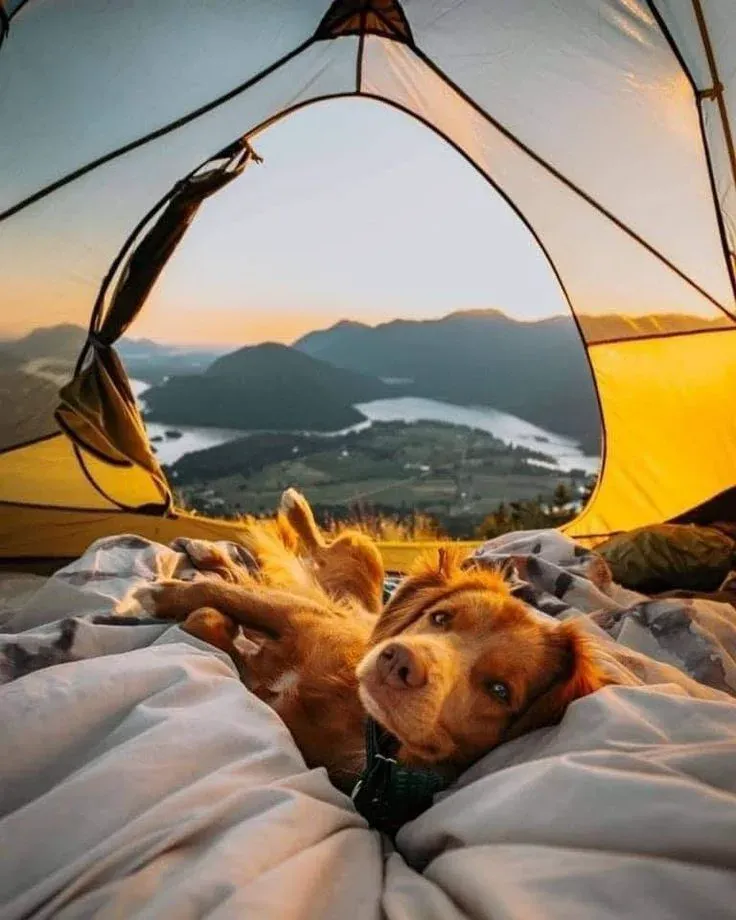
Planning Your Pet’s First Overnight Trip
Your pet’s first overnight trip does not need to be far away, highly adventurous, or perfectly planned.
It only needs to be manageable.
A nearby hotel, quiet cabin, or one-night visit with family can help you understand how your pet responds to a new room, unfamiliar sounds, a different sleeping space, and a change in routine.
The goal is not to test how much your pet can tolerate.
It is to create a small experience they can succeed in.
The Paw Roam rule: For the first overnight trip, choose comfort over distance.
Keep the First Trip Simple
Your pet’s first night away should not include too many new experiences at once.
Try to avoid combining:
-
A very long drive.
-
A crowded destination.
-
A completely new carrier.
-
A new type of food.
-
Several planned activities.
-
A noisy hotel.
-
A difficult hiking route.
-
Long periods alone in the room.
A simple one-night trip close to home gives you the freedom to return early if your pet becomes overwhelmed.
Choose the Right Destination
Look for accommodation that offers:
-
A clear pet policy.
-
A quiet room.
-
Easy outdoor access.
-
Secure doors and windows.
-
Enough space for a carrier or travel bed.
-
Reliable temperature control.
-
A veterinary clinic within reasonable distance.
For dogs, consider the route to the nearest relief area.
For cats, make sure there is enough room for a carrier, litter tray, water, and a safe hiding place.
Do not choose the most exciting destination.
Choose the one that is easiest to manage.
Practice Before the Trip
Introduce the travel setup before departure.
Your pet should already have some experience with:
-
The carrier, crate, or travel harness.
-
Short car journeys.
-
Eating or drinking away from home.
-
Resting on the travel bed or blanket.
-
Remaining calm while bags are packed.
-
Entering and leaving the vehicle safely.
A first overnight stay should not also be the first time your pet sees every piece of travel equipment.
Pack Familiar Essentials
Bring enough to maintain your pet’s normal routine without overpacking.
Essential Overnight List
☐ Familiar food
☐ Drinking water
☐ Food and water bowls
☐ Medication
☐ Identification
☐ Leash and backup leash
☐ Carrier, crate, or restraint
☐ Familiar bed or blanket
☐ One familiar toy
☐ Waste bags or litter supplies
☐ Cleaning cloths
☐ Medical and veterinary contacts
Pack one additional meal in case your return is delayed.
Avoid changing food or introducing unfamiliar treats during the trip.
Maintain the Normal Routine
A new environment becomes easier to understand when familiar routines remain in place.
Try to keep:
-
Meal times.
-
Bathroom breaks.
-
Medication schedule.
-
Walking habits.
-
Sleep routine.
-
Familiar verbal cues.
-
Normal boundaries.
Travel does not need to remove every household rule.
Allowing completely different behavior during the trip may create confusion and make settling more difficult.
Arrive Before It Gets Too Late
Whenever possible, arrive while there is still enough daylight and time to inspect the room.
A rushed late-night arrival makes it harder to:
-
Find the outdoor relief area.
-
Check doors and windows.
-
Identify hazards.
-
Set up food, water, and bedding.
-
Help the pet settle gradually.
-
Contact staff when there is a problem.
Give your pet time to understand the new space before bedtime.
Inspect the Room First
Keep your pet secured while checking the accommodation.
Look for:
-
Open windows or balconies.
-
Gaps behind furniture.
-
Accessible food or medication.
-
Cleaning products.
-
Electrical cords.
-
Loose trash.
-
Small objects.
-
Unsafe plants.
-
Doors that do not close properly.
-
Areas where the pet could become trapped.
For cats, set up the litter tray and safe hiding space before opening the carrier.
For dogs, attach the leash before opening the room door.
Create a Familiar Corner
Do not spread your pet’s belongings throughout the room.
Create one clear area containing:
-
Familiar bed or blanket.
-
Carrier or crate.
-
Water.
-
One familiar toy.
-
A quiet resting space away from the main door.
Place food, water, and litter in suitable separate areas where possible.
Set up home before setting out to explore.
A familiar-smelling blanket can be more useful than several new travel products.
Keep the First Evening Quiet
After arrival, resist the temptation to begin several activities immediately.
A better first evening may include:
-
A short bathroom or walking break.
-
Water and a normal meal.
-
Quiet exploration.
-
Time to rest.
-
One calm activity.
-
The normal bedtime routine.
Watch whether your pet can eat, drink, settle, and sleep.
These simple behaviors tell you more than how excited they appear when entering the room.
Do Not Leave Them Alone Too Soon
Even pets that remain calm alone at home may behave differently in unfamiliar accommodation.
New hallway sounds, doors, voices, and smells can trigger barking, scratching, hiding, or escape attempts.
Check the property’s unattended-pet policy before booking.
For the first overnight trip, plan to stay with your pet as much as possible. This helps you observe how they respond and prevents the trip from becoming a sudden test of separation.
Help Your Pet Sleep
Your pet may take longer than usual to settle.
You can help by:
-
Keeping the room calm.
-
Using familiar bedding.
-
Closing curtains when outside movement is distracting.
-
Placing the bed away from the door.
-
Maintaining the normal bedtime routine.
-
Reducing unnecessary noise.
-
Offering a final bathroom break.
-
Keeping water available.
Do not force your pet to sleep in a completely new location if their familiar carrier, crate, or travel bed is available.
Watch for Signs the Trip Is Too Much
Possible signs of difficulty include:
-
Persistent panting.
-
Trembling.
-
Continuous vocalization.
-
Refusing food or water.
-
Repeated escape attempts.
-
Inability to rest.
-
Vomiting or diarrhea.
-
Unusual aggression or withdrawal.
Reduce stimulation and return to a familiar routine.
When symptoms are severe, unusual, or persistent, contact a veterinarian.
Ending the trip early is not a failure.
It gives you useful information for planning a more suitable experience next time.
Keep the Morning Unhurried
The first morning away can be stimulating.
Allow time for:
-
A calm bathroom break.
-
A normal meal.
-
Water.
-
Medication.
-
Packing without leaving doors open.
-
Checking the room.
-
Securing the pet before moving luggage.
Pack most belongings before opening the room door repeatedly.
Keep the pet secured during checkout and loading.
Review the Experience at Home
After returning, ask:
-
Did my pet eat and drink normally?
-
Could they settle in the room?
-
Which sounds or situations caused stress?
-
Was the accommodation practical?
-
Did we bring anything unnecessary?
-
What did we forget?
-
Was the journey too long?
-
Would a different room or destination work better?
Write down the answers before planning the next trip.
Small adjustments can make the second overnight stay much easier.
First Overnight Trip Checklist
Before Booking
☐ Destination close enough to leave early
☐ Pet policy confirmed
☐ Total fees confirmed
☐ Suitable room requested
☐ Outdoor or litter needs considered
☐ Veterinary clinic located
Before Departure
☐ Identification updated
☐ Carrier or restraint practiced
☐ Familiar food packed
☐ Medication packed
☐ Bedding packed
☐ Cleaning supplies packed
☐ Room confirmation saved
At the Accommodation
☐ Room inspected before release
☐ Doors and windows secured
☐ Water provided
☐ Bed or carrier set up
☐ Litter or relief routine established
☐ Evening kept simple
☐ Pet monitored for stress
Before Returning Home
☐ Pet secured before packing
☐ Room checked for forgotten items
☐ Waste removed
☐ Equipment inspected
☐ Deposit procedure confirmed
☐ Trip notes recorded
Frequently Asked Questions
How far should the first overnight trip be?
Choose somewhere close enough that returning home early remains realistic. The purpose is to practice staying away, not to test your pet’s maximum travel distance.
Should I stay one night or two?
One night is often enough for an initial test. A second night may be appropriate when the pet settles well and the destination is easy to manage.
What should my pet sleep on?
Use familiar bedding, a travel bed, carrier, or crate that your pet has already used at home.
Can I leave my pet alone in the room?
Follow the property policy and consider whether your pet can remain calm in an unfamiliar environment. For the first trip, staying together is usually the better way to observe their response.
What if my pet does not eat?
A small change in appetite may occur with stress, but persistent refusal to eat, illness, unusual behavior, or other concerning symptoms should be discussed with a veterinarian.
Make the First Night a Small Success
Your pet’s first overnight trip is not about proving that they are ready for every journey.
It is about learning what helps them feel secure.
Choose a nearby destination. Bring familiar essentials. Protect the normal routine. Keep the first evening quiet, and give your pet enough time to understand the new space.
The trip may not be perfect.
But when your pet can eat, rest, sleep, and return home calmly, you have created something valuable:
A small success that can become the beginning of many future journeys.
Prepare for Their First Night Away
Explore travel beds, portable bowls, carriers, organizers, and simple essentials designed to make unfamiliar rooms feel more manageable.
Shop Overnight Travel Essentials →

You have items in your cart. Ready for the next leg of the journey?
Go to checkout