
“Every paw finds its way home, every road leads somewhere new.”
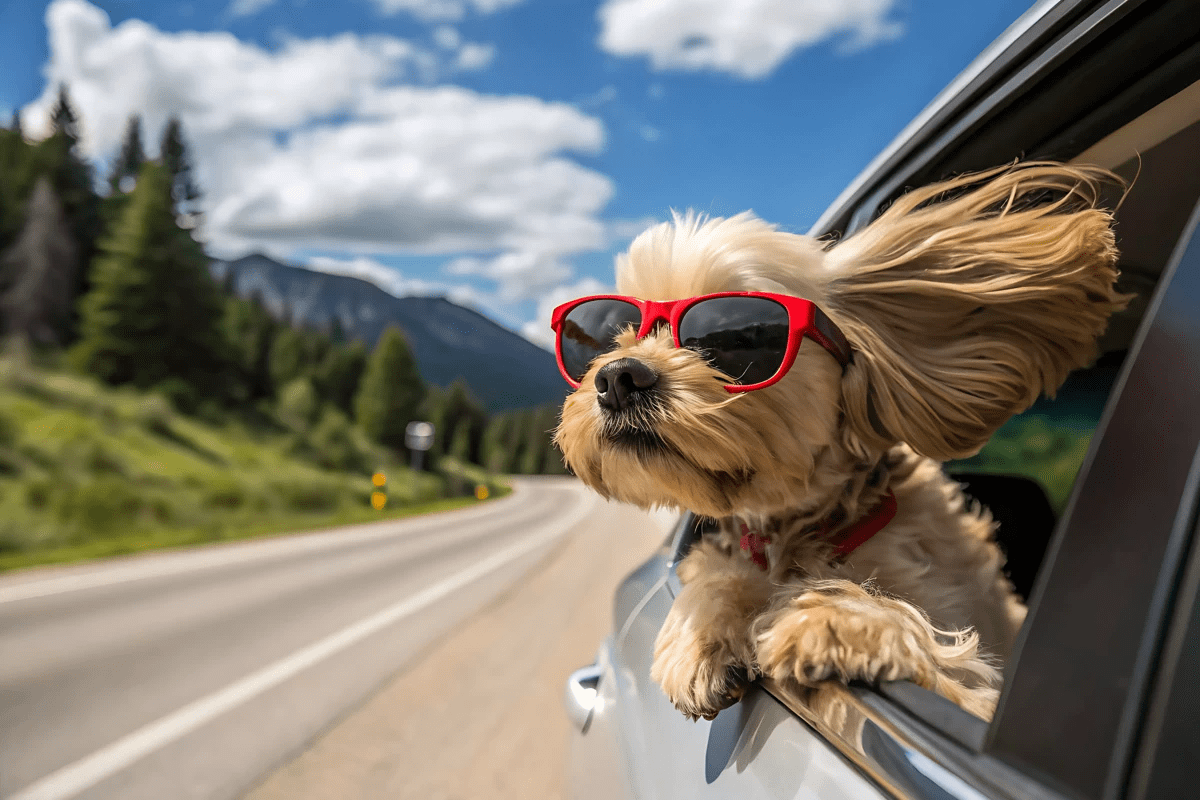
The Essential Pet Travel Packing List for Every Trip
Packing for a trip with your pet is not about preparing for every possible disaster.
It is about knowing what your pet depends on, keeping important items within reach, and bringing enough familiarity into a new environment to help them feel secure.
Pack too little, and a simple delay can become stressful. Pack too much, and the things you actually need disappear beneath a pile of unused products.
The best pet travel bag is not the fullest one.
It is the one you can understand at a glance.
This complete pet travel packing list will help you organize essentials for dogs and cats across short outings, overnight stays, road trips, outdoor adventures, and longer journeys.
The Paw Roam approach: Pack by need, organize by moment, and keep the most important items within reach.
Pet Travel Packing List at a Glance
Most pet travel supplies belong to one of six groups:
-
Identification and documents
-
Food and hydration
-
Safety and control
-
Comfort and routine
-
Health and first aid
-
Cleaning and waste management
Organizing your bag around these needs makes it easier to pack, easier to check, and much easier to find something when your pet needs it.
Before You Pack: Define the Trip
There is no universal packing list that works equally well for every pet and every journey.
Before placing anything in the bag, answer five questions.
How long will you be away?
A walk across town requires different supplies from a seven-day road trip. Include a reasonable reserve for longer journeys, but avoid multiplying every item simply because the trip lasts several days.
How are you traveling?
A car journey may require a vehicle restraint, seat cover, sunshade, and roadside water setup.
Air, rail, ferry, and public transportation may have their own carrier dimensions, documentation rules, and restrictions. Always confirm requirements directly with the transportation provider before departure.
What will the weather be like?
Heat, cold, rain, wind, snow, and strong sun can change what your pet needs.
Do not pack only for the expected daytime temperature. Consider early mornings, evenings, shaded areas, exposed walking surfaces, and unexpected delays.
Where will you stay?
A hotel room, campsite, rental home, family residence, and roadside motel all offer different levels of space, privacy, security, and access to cleaning supplies.
What does your individual pet need?
Age, species, size, coat, health, behavior, diet, medication, and travel experience should shape the final list.
A young, energetic dog may need additional exercise equipment. A senior dog may need supportive bedding and easier access. A cat may depend more heavily on a secure carrier, familiar litter, and a private settling space.
1. Identification and Travel Documents
Identification and documents should be packed first because they are often the hardest items to replace during a journey.
Depending on the destination and type of travel, you may need vaccination records, medical information, a veterinary inspection or health certificate, import documentation, permits, or transportation-specific forms. Requirements can differ between destinations and may change, so confirm them early rather than relying on an old checklist.
Pack These Documents
☐ Vaccination records
☐ Veterinary health certificate, when required
☐ Copies of relevant medical records
☐ Prescription and medication information
☐ Microchip number and registration details
☐ Pet insurance information
☐ Transportation reservation and pet confirmation
☐ Accommodation pet-policy confirmation
☐ Entry permits or destination-specific forms
☐ Contact information for your regular veterinarian
☐ Contact information for a clinic near the destination
☐ Emergency contact who knows your pet
Check Your Pet’s Identification
☐ Readable identification tag
☐ Current phone number
☐ Secure, properly fitted collar or harness
☐ Updated microchip registration
☐ Recent clear photographs of your pet
Save digital copies of important records in a folder on your phone, but also carry printed copies when documentation may be inspected.
A phone can run out of power. Mobile service can disappear. A printed backup requires neither.
The Document Pouch
Keep all essential paperwork together inside a waterproof or water-resistant pouch.
Do not pack it beneath clothing, food, or camping equipment. The document pouch should remain in your personal bag or another location you can reach without unloading the vehicle.
2. Food and Hydration
Travel is generally not the best time to experiment with a new diet.
Pack the food your pet already eats and the treats you already know they tolerate. Sudden dietary changes, unusual table food, and unfamiliar treats can create avoidable discomfort during a journey.
Food Checklist
☐ Familiar pet food
☐ Enough food for the planned trip
☐ Additional reserve for delays
☐ Familiar treats
☐ Measuring scoop or cup
☐ Sealed food container or portioned bags
☐ Can opener, when needed
☐ Feeding instructions for shared caregivers
☐ Food mat for indoor stays
☐ Spoon or feeding utensil, when needed
Portioning meals before departure can save space and prevent overfeeding.
Label individual bags by day or meal when your pet follows a strict diet, takes medication with food, or will be cared for by more than one person.
Hydration Checklist
☐ Drinking water
☐ Collapsible travel bowl
☐ Pet water bottle or bottle-and-bowl combination
☐ Backup bowl
☐ Absorbent cloth for spills
☐ Insulated water container for warm conditions
Do not hide all the water in the main luggage.
Keep enough water for the next part of the journey in the easy-access bag, along with a bowl that can be opened and used quickly.
How Much Food Should You Pack?
Use this simple formula:
Number of normal meals × number of travel days + a reasonable delay reserve
For example, a pet eating two meals per day during a four-day trip needs eight planned portions, plus additional food for unexpected delays.
The reserve should reflect the destination. A remote camping trip requires more self-sufficiency than an overnight stay near stores that sell your pet’s usual food.
3. Safety and Control Equipment
Safety equipment should be selected for the individual pet, tested before departure, and used according to its instructions.
CDC advises supervising pets during travel and outdoor activities and keeping them appropriately controlled in a carrier or on a leash.
Core Safety Checklist
☐ Secure carrier, crate, car seat, or travel restraint
☐ Everyday collar or harness
☐ Primary leash
☐ Backup leash
☐ Identification tag
☐ Waste-bag holder
☐ Reflective or illuminated accessory for low visibility
☐ Portable barrier or tether when appropriate
☐ Recent photograph of the equipment setup
☐ Manufacturer’s fitting or installation instructions
A pet car seat should provide more than a raised view. A carrier should provide more than a convenient handle. The equipment must suit its intended purpose and be used correctly.
Check Before Packing
Inspect:
-
Buckles and clips.
-
Zippers and seams.
-
Attachment points.
-
Harness fit.
-
Crate doors.
-
Carrier ventilation.
-
Restraint straps.
-
Signs of chewing or damage.
-
Missing components.
Do not discover a broken clip at a roadside stop.
Pack a Backup Control Item
A second leash takes little space and can become extremely valuable if the primary leash becomes wet, damaged, lost, or contaminated.
For escape-prone pets, consider a layered setup appropriate to their species and behavior, such as a secure carrier combined with a correctly fitted harness during controlled transfers.
4. Comfort and Familiarity
Comfort items are not decorative extras.
A familiar scent, sleeping surface, toy, or routine can help a pet understand that a new environment is still a place where they can rest.
Comfort Checklist
☐ Familiar blanket
☐ Bed or crate mat
☐ Favorite durable toy
☐ Familiar-smelling cloth
☐ Chew or enrichment item
☐ Portable shade when appropriate
☐ Weather-appropriate coat or protective layer
☐ Cooling or warming accessory already tested safely
☐ Towel for resting or drying
☐ Quiet carrier cover when suitable for the pet and setup
Avoid packing every toy your pet owns.
Choose one or two items that are familiar, easy to clean, and unlikely to become a problem if lost.
Do Not Use the Trip to Test Everything
A new bed, new harness, new food, new carrier, new calming product, and new destination create too many variables at once.
Test important products at home.
Your pet should have time to smell them, use them, rest near them, and build a positive association before the journey begins.
The Roam Rule: New destination, familiar essentials.
5. Health and First-Aid Supplies
A travel first-aid kit is intended to support immediate care and organization—not replace a veterinarian.
Pack supplies you understand how to use, keep medication clearly labeled, and discuss destination-specific health concerns with your veterinarian when appropriate.
Health Checklist
☐ Regular prescription medication
☐ Enough medication for the trip
☐ Additional reserve when safely obtainable
☐ Written dosage instructions
☐ Veterinary contact details
☐ Medical summary
☐ Parasite prevention advised for the destination
☐ Any veterinarian-approved travel medication
☐ Protective paw care when appropriate
☐ First-aid kit
Never place essential medication in luggage that may become inaccessible, delayed, or separated from your pet.
Basic First-Aid Packing List
A practical kit may include:
☐ Gauze pads
☐ Gauze roll
☐ Non-stick dressings
☐ Adhesive medical tape
☐ Disposable gloves
☐ Blunt-tip scissors
☐ Tweezers
☐ Digital thermometer intended for pet use
☐ Saline solution
☐ Clean towels or cloths
☐ Emergency blanket
☐ Instant cold pack
☐ Flashlight
☐ Waste bags
☐ Written veterinary and poison-control contacts relevant to your location
Do not give human medication to your pet unless a veterinarian has specifically instructed you to do so.
Medication Organization
Use a separate labeled pouch for medication.
Include:
-
Pet’s name.
-
Medication name.
-
Dosage.
-
Administration time.
-
Storage requirements.
-
Prescribing clinic.
-
Emergency instructions when provided.
Keep temperature-sensitive medication within its required storage range.
6. Cleaning and Waste Supplies
Mess is not a sign that a journey has failed.
Mud, spilled water, shed hair, food crumbs, motion sickness, litter scatter, and unexpected bathroom accidents are normal possibilities when traveling with animals.
The goal is not to prevent every mess. It is to make cleanup quick enough that the trip can continue.
Cleaning Checklist
☐ Waste bags
☐ Paper towels or reusable cloths
☐ Pet-safe cleaning product
☐ Absorbent towel
☐ Unscented wipes suitable for their intended use
☐ Sealable bags
☐ Laundry bag for dirty items
☐ Spare blanket or crate liner
☐ Portable lint remover
☐ Seat or cargo-area cover
☐ Small dustpan or brush for longer stays
☐ Disposable absorbent pads when appropriate
Keep at least one cleanup kit in the easy-access bag.
A cleaning product packed beneath three suitcases is not an easy-access product.
Pack in Two Layers
One of the most effective ways to organize pet travel supplies is to divide them into two layers.
Layer One: The Easy-Access Bag
This bag stays beside you or in a location that can be reached without unloading the vehicle.
Pack:
-
Leash.
-
Waste bags.
-
Water.
-
Travel bowl.
-
One meal or snack when needed.
-
Medication.
-
Identification and documents.
-
Cleaning cloth.
-
Small first-aid kit.
-
One comfort item.
-
Spare restraint component.
-
Litter-stop supplies for cats when applicable.
Layer Two: The Main Travel Bag
This bag contains supplies needed later or in larger quantities.
Pack:
-
Remaining food.
-
Extra bedding.
-
Additional cleaning supplies.
-
Grooming equipment.
-
Replacement liners.
-
Full-size first-aid supplies.
-
Backup bowls.
-
Outdoor accessories.
-
Additional toys.
-
Longer-term litter supplies.
-
Product packaging or instructions when needed.
A useful packing test: Could you manage the next two hours without opening the main luggage?
When the answer is yes, your easy-access bag is probably organized well.
Dog Travel Add-Ons
Dogs often require equipment for outdoor movement, roadside stops, and public spaces.
Consider adding:
☐ Long line for appropriate open spaces
☐ Portable tie-out system where safe and permitted
☐ Reflective vest
☐ Paw towel
☐ Paw protection already introduced at home
☐ Rain layer or warm coat when needed
☐ Outdoor sleeping mat
☐ Canine life jacket for suitable water activities
☐ Seat or cargo cover
☐ Portable shade
☐ Brush or coat-care tool
☐ Favorite chew for quiet periods
Do not use a long line near traffic, crowded paths, wildlife, or other situations where greater control is required.
Cat Travel Add-Ons
Cats often benefit from a more private and contained travel system.
Consider adding:
☐ Secure, well-ventilated carrier
☐ Familiar carrier mat
☐ Carrier cover that does not block necessary airflow
☐ Familiar litter
☐ Portable litter tray
☐ Litter scoop
☐ Sealable litter-waste bags
☐ Absorbent carrier liner
☐ Spare carrier liner
☐ Secure harness already introduced at home
☐ Familiar toy
☐ Scratching pad
☐ Food and water dishes that fit the temporary setup
☐ Cleanup supplies for the carrier
Never open a cat carrier at an unsecured roadside location simply to offer freedom or comfort.
Prepare controlled transfer procedures in advance, especially around vehicles, hotel doors, airports, and unfamiliar buildings.
Packing Lists by Trip Type
Short Local Outing
For a short walk, park visit, café stop, or trip across town:
☐ Identification
☐ Collar or harness
☐ Leash
☐ Waste bags or litter supplies
☐ Water
☐ Travel bowl
☐ Small towel
☐ Necessary medication
☐ Weather protection when needed
Day Trip
Add:
☐ One or more meals when required
☐ Familiar treats
☐ Secure vehicle restraint
☐ Resting mat
☐ Cleaning kit
☐ Basic first-aid supplies
☐ Backup leash
☐ Additional water
☐ Destination reservation or policy information
Overnight Stay
Add:
☐ Full meals and reserve food
☐ Familiar bed or blanket
☐ Medication and dosage instructions
☐ Medical and vaccination documents
☐ Grooming supplies
☐ Pet-safe cleaning supplies
☐ Full litter setup for cats
☐ Spare liner or bedding
☐ Quiet enrichment item
☐ Accommodation confirmation
Multi-Day Road Trip
Add:
☐ Portioned meals
☐ Delay reserve
☐ Route and stop information
☐ Emergency clinic information
☐ Additional water storage
☐ Backup restraint equipment
☐ Seat or cargo cover
☐ Full first-aid kit
☐ Laundry and waste-storage bags
☐ Replacement cleaning supplies
☐ Offline copies of important information
☐ Tool or instructions required for installed travel equipment
Outdoor Adventure
Add:
☐ Weather protection
☐ Visibility equipment
☐ Additional hydration capacity
☐ Trail-appropriate leash
☐ Outdoor rest mat
☐ Paw-care supplies
☐ Tick-removal tool where relevant
☐ Pet first-aid kit
☐ Emergency blanket
☐ Portable shade
☐ Life jacket for appropriate water activities
☐ Map or offline navigation
☐ Local wildlife and trail-rule information
Air or Public Transportation
Add or confirm:
☐ Carrier meets provider requirements
☐ Reservation includes the pet
☐ Required travel documents
☐ Identification attached appropriately
☐ Absorbent carrier liner
☐ Spare liner
☐ Compact food and water setup
☐ Medication in personal luggage
☐ Carrier familiarization completed
☐ Transfer and security procedures reviewed
☐ Destination entry requirements confirmed
Do not rely on a general article for airline, rail, ferry, or international requirements. Confirm current rules directly with the transportation provider and relevant authorities.
International Travel
Start preparing early.
Requirements may include identification, vaccination, tests, treatments, health certificates, endorsements, import permits, destination forms, airline documentation, or specific entry procedures. USDA advises travelers leaving the United States to work with an accredited veterinarian early enough to understand and complete destination requirements.
Pack:
☐ Original required documents
☐ Printed copies
☐ Digital copies
☐ Microchip details
☐ Vaccination documentation
☐ Health certificate
☐ Import permit when required
☐ Transportation forms
☐ Accommodation confirmation
☐ Veterinarian contact details
☐ Destination veterinary contact
☐ Translation of essential medical information when useful
☐ Return-entry documentation
Confirm requirements for both directions of travel. Being allowed into the destination does not automatically mean you have prepared everything needed to return.
What Not to Pack
More products do not always create a better trip.
Consider leaving these items at home:
Untested Equipment
A product that has never been fitted, installed, cleaned, folded, or used can create more difficulty than it solves.
Too Many Toys
Choose a small number of familiar, durable items rather than filling the bag with entertainment your pet may ignore.
Large Original Food Packaging
For shorter trips, sealed and labeled portions are often easier to organize. Retain important packaging information or photographs when dietary details may be needed.
Unsafe or Unapproved Medication
Do not pack medication for speculative use unless your veterinarian has advised you how and when to administer it.
Products That Duplicate the Same Function
Three different water bottles, five bowls, and multiple oversized blankets add volume without necessarily adding preparedness.
Items You Cannot Clean or Carry Easily
Travel gear should work within the actual journey. An item that is too bulky to move, too complicated to assemble, or difficult to clean may remain unused.
How to Choose Travel Gear Worth Packing
Before buying or packing a product, ask:
-
What specific problem does it solve?
-
Does it fit my pet correctly?
-
Does it fit the vehicle, carrier, room, or activity?
-
Can I use it without complicated setup?
-
Can it be cleaned easily?
-
Has my pet already tested it?
-
Would I notice if I forgot it?
A useful travel product should reduce friction.
It should make a stop faster, a ride safer, a bag more organized, or an unfamiliar place easier for your pet to understand.
Build Your Travel Bag
Choose practical essentials for easier hydration, safer movement, cleaner rides, and calmer arrivals.
Shop the Packing List →
The Two-Minute Door Check
Complete this check immediately before leaving.
Pet
☐ Pet appears well enough to travel
☐ Identification is attached
☐ Collar or harness fits securely
☐ Leash is ready
☐ Pet has used the bathroom when appropriate
Safety
☐ Carrier, crate, seat, or restraint is secured
☐ Doors, gates, and windows are controlled
☐ Equipment clips and zippers are closed
☐ Ventilation is clear
☐ Vehicle temperature is comfortable
Essentials
☐ Documents are accessible
☐ Medication is packed
☐ Water is accessible
☐ Bowl is accessible
☐ Food is packed
☐ Waste and cleanup supplies are accessible
☐ Phone is charged
☐ Destination and emergency contacts are saved
AVMA advises that pets should never be left alone in a parked vehicle, regardless of the expected duration or outdoor temperature.
Printable Master Pet Travel Checklist
Use this condensed checklist for final packing.
Identification and Documents
☐ Identification tag
☐ Updated contact details
☐ Microchip information
☐ Recent photographs
☐ Vaccination records
☐ Medical records
☐ Health certificate when required
☐ Travel and entry documents
☐ Accommodation confirmation
☐ Veterinary contacts
☐ Emergency contact
Food and Water
☐ Familiar food
☐ Delay reserve
☐ Familiar treats
☐ Drinking water
☐ Travel bowl
☐ Backup bowl
☐ Food container
☐ Measuring scoop
☐ Feeding instructions
Safety and Control
☐ Carrier, crate, car seat, or restraint
☐ Collar or harness
☐ Primary leash
☐ Backup leash
☐ Reflective accessory
☐ Equipment instructions
☐ Seat or cargo cover
☐ Portable barrier when appropriate
Comfort
☐ Familiar blanket
☐ Bed or mat
☐ Familiar toy
☐ Chew or enrichment item
☐ Weather protection
☐ Towel
☐ Portable shade when needed
Health and First Aid
☐ Prescription medication
☐ Dosage instructions
☐ Medical summary
☐ First-aid kit
☐ Gloves
☐ Gauze and dressings
☐ Medical tape
☐ Saline solution
☐ Tweezers
☐ Scissors
☐ Emergency blanket
☐ Flashlight
Cleaning and Waste
☐ Waste bags
☐ Litter and litter tray
☐ Litter scoop
☐ Cleaning cloths
☐ Pet-safe cleaner
☐ Absorbent pads
☐ Spare liner
☐ Sealable bags
☐ Dirty-laundry bag
☐ Grooming tool
Journey Information
☐ Route reviewed
☐ Stops identified
☐ Weather checked
☐ Pet policies confirmed
☐ Emergency clinics saved
☐ Offline information downloaded
☐ Backup plan prepared
Frequently Asked Questions
What are the most important pet travel essentials?
Identification, safe restraint, water, food, medication, waste supplies, and appropriate documents should receive priority. The remaining list should be adjusted to the trip and the individual pet.
How much extra food should I bring?
Bring enough for the planned journey plus a reasonable reserve for delays. The appropriate reserve depends on trip length, destination, storage conditions, and whether your pet’s normal food can be purchased nearby.
Should I bring water from home?
Bringing familiar water can be useful when traveling through areas where water quality is uncertain or when a pet is sensitive to changes. At minimum, carry enough safe drinking water to manage the next stage of the journey.
Does my pet need a travel first-aid kit?
A basic kit can help organize supplies for minor situations and support immediate care while professional help is arranged. It does not replace veterinary assessment or treatment.
Where should I keep medication?
Keep essential medication in an accessible, clearly labeled pouch that remains with you and your pet. Follow all storage requirements provided by your veterinarian or pharmacist.
What should remain in the car?
Avoid permanently storing food, medication, water-sensitive documents, or temperature-sensitive supplies in unsuitable vehicle conditions. Pack the easy-access bag for each journey and remove essential items afterward.
How can I avoid overpacking?
Pack by function rather than browsing products one by one. Select an item only when it solves a specific need, fits the pet and journey, and can be used confidently.
Pack for the Pet Beside You
A complete pet travel bag is not the one that contains everything sold in a travel collection.
It is the one built around your pet.
Their normal meals. Their medication. Their way of settling down. Their tolerance for heat, noise, movement, and unfamiliar places. The equipment that fits their body and the routines that help them understand what happens next.
Start with the essentials.
Organize them by the moment in which they will be needed. Keep safety, water, documents, and medication easy to reach. Test new equipment before the journey. Remove anything that adds clutter without adding value.
Then close the bag knowing that you have not prepared for an imaginary perfect traveler.
You have prepared thoughtfully for your own.
Ready to Pack?
Explore practical travel bowls, carriers, vehicle accessories, organizers, and comfort essentials selected for life on the move.
Shop Pet Travel Essentials →
Editorial Sources
Travel-document and safety guidance should be reviewed periodically because requirements can change by destination and transport provider.
-
USDA APHIS Pet Travel guidance.
-
Centers for Disease Control and Prevention pet travel safety guidance.
-
American Veterinary Medical Association travel and vehicle-safety guidance.
You have items in your cart. Ready for the next leg of the journey?
Go to checkout