
“Every paw finds its way home, every road leads somewhere new.”
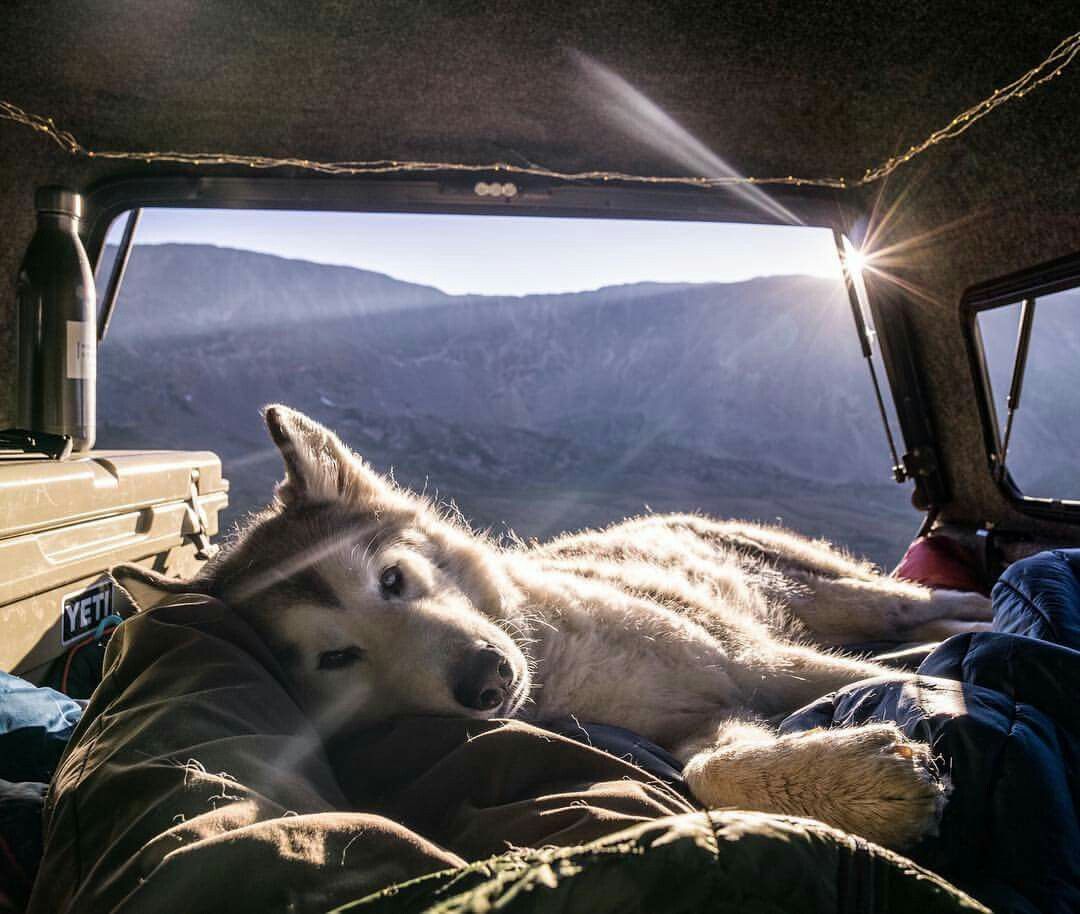
The Complete Dog Road Trip Checklist
A successful road trip with your dog begins before the car leaves the driveway.
The right restraint, an organized travel bag, planned stops, and a familiar routine can prevent many of the problems that make long drives stressful.
Use this checklist to prepare what your dog genuinely needs—without filling the vehicle with unnecessary gear.
The Paw Roam rule: Secure the dog, organize the essentials, and plan the next stop before you start driving.
Before You Plan the Route
Consider whether the journey suits your dog’s:
-
Age and health.
-
Travel experience.
-
Energy level.
-
Bathroom routine.
-
Tolerance for heat or cold.
-
Ability to settle in the car.
-
Comfort around unfamiliar places and animals.
Begin with shorter practice rides when your dog is new to car travel.
For longer journeys, locate veterinary clinics along the route and near your destination.
Dog Identification and Documents
Pack these items somewhere easy to reach:
☐ Readable identification tag
☐ Updated phone number
☐ Microchip information
☐ Recent photograph of your dog
☐ Vaccination records
☐ Medication instructions
☐ Veterinary contact details
☐ Accommodation confirmation
☐ Required travel documents
Carry digital copies on your phone and printed copies when documentation may be checked.
Car Safety Setup
Your dog should not move freely between seats or interfere with the driver.
Choose an appropriate setup such as:
-
Vehicle safety harness.
-
Secured travel crate.
-
Properly installed pet car seat for a suitable small dog.
-
Secured carrier for a small dog.
Before departure:
☐ Check the product’s size and weight range
☐ Follow the installation instructions
☐ Inspect buckles, stitching, clips, and zippers
☐ Keep the dog away from the front airbag
☐ Secure nearby luggage
☐ Confirm that ventilation remains clear
☐ Complete several practice rides
Never connect a vehicle tether directly to an ordinary neck collar.
Easy-Access Road Trip Bag
Keep the supplies needed during stops in one small bag.
Pack:
☐ Water
☐ Travel bowl
☐ Leash
☐ Backup leash
☐ Waste bags
☐ Familiar treats
☐ Medication
☐ Cleaning cloth
☐ Small first-aid kit
☐ One meal when needed
☐ Towel
☐ Recent dog photograph
The easy-access bag should be reachable without unloading the vehicle.
Food and Water
Bring your dog’s normal food rather than changing diets during the trip.
Pack:
☐ Enough food for the journey
☐ A reasonable delay reserve
☐ Familiar treats
☐ Drinking water
☐ Collapsible bowls
☐ Food container or portioned bags
☐ Measuring scoop
Offer water during planned stops.
Avoid feeding large amounts while the vehicle is moving. Dogs with a history of motion sickness or medical conditions may need individual feeding guidance from a veterinarian.
Comfort Essentials
A familiar sleeping surface can help your dog settle inside the vehicle and at the destination.
Pack:
☐ Travel bed or familiar blanket
☐ Favorite durable toy
☐ Chew or quiet enrichment item
☐ Spare towel
☐ Weather-appropriate coat when needed
☐ Portable shade for suitable outdoor stops
☐ Washable seat or cargo cover
Do not introduce every product for the first time on departure day.
Plan the Stops
For longer journeys, identify stops before leaving.
Look for locations with:
-
Safe parking.
-
Space away from traffic.
-
Shade.
-
Suitable walking surfaces.
-
Waste bins.
-
Access to drinking water.
-
Enough visibility to check for unfamiliar dogs.
At every stop:
-
Park completely.
-
Check the surroundings.
-
Attach the leash before opening the door.
-
Offer water.
-
Give your dog a bathroom opportunity.
-
Allow gentle movement.
-
Inspect the harness and restraint.
-
Secure your dog before restarting.
Do not wait until your dog becomes restless or distressed before stopping.
Warm-Weather Checklist
☐ Check the forecast along the entire route
☐ Travel during cooler hours when practical
☐ Carry additional water
☐ Use shade during breaks
☐ Check pavement temperature
☐ Keep airflow clear
☐ Reduce strenuous exercise
☐ Watch breathing and energy levels
Never leave your dog unattended in a parked vehicle.
Cold or Wet-Weather Checklist
☐ Pack dry bedding
☐ Bring spare towels
☐ Use weather protection when appropriate
☐ Store wet items separately
☐ Check paws after outdoor stops
☐ Keep a dry replacement liner available
☐ Prepare for weather-related delays
Wet bedding can quickly make a long drive uncomfortable.
Overnight Supplies
When the road trip includes a hotel, cabin, or rental, add:
☐ Full meals and reserve food
☐ Familiar bed
☐ Medication
☐ Grooming supplies
☐ Pet-safe cleaning supplies
☐ Accommodation pet-policy confirmation
☐ Quiet enrichment item
☐ Emergency clinic details
Before releasing your dog inside the room, check doors, balconies, windows, food, trash, electrical cords, and cleaning products.
Signs Your Dog Needs a Break
Watch for:
-
Persistent panting.
-
Repeated whining.
-
Restlessness.
-
Excessive drooling.
-
Trembling.
-
Vomiting.
-
Repeated attempts to change position.
-
Refusing water.
-
Unusual withdrawal or agitation.
Pull over safely and check the temperature, equipment, and your dog’s behavior.
Contact a veterinarian when symptoms are severe, persistent, or unusual.
Two-Minute Departure Check
Dog
☐ Identification attached
☐ Harness or collar fits correctly
☐ Bathroom break completed
☐ Dog appears well enough to travel
Vehicle
☐ Restraint secured
☐ Luggage secured
☐ Driver’s area clear
☐ Temperature comfortable
☐ Navigation prepared
Supplies
☐ Water accessible
☐ Bowl accessible
☐ Leash accessible
☐ Medication packed
☐ Documents packed
☐ Waste bags packed
☐ Phone charged
Frequently Asked Questions
How often should I stop during a dog road trip?
Many dogs benefit from planned stops during longer journeys, but the correct timing depends on age, health, weather, hydration, and bathroom needs.
Should my dog travel in the front seat?
The rear passenger area or another appropriate secured location is generally preferable because the front airbag can create additional risk.
Can my dog ride with its head outside the window?
It is safer to keep your dog fully inside the vehicle. Flying debris, sudden movement, and escape risk can cause injury.
What should I do if my dog becomes carsick?
Pull over safely, reduce stimulation, and allow the dog to recover. Repeated motion sickness should be discussed with a veterinarian before the next journey.
How much food should I pack?
Bring enough for the planned trip plus a reasonable reserve for delays. Use familiar food and divide it into labeled portions for easier organization.
Ready Before the First Mile
A calmer dog road trip does not require dozens of products.
It requires a secure travel setup, accessible water, familiar essentials, planned stops, and enough flexibility to respond to the dog beside you.
Prepare the vehicle before loading. Keep the leash ready before opening doors. Stop before needs become urgent, and allow your dog time to rest after arrival.
The destination may inspire the journey.
Good preparation is what helps both of you enjoy the road along the way.
Pack for the Road Ahead
Explore vehicle restraints, travel bowls, organizers, seat protection, and practical dog road trip essentials.
Shop Dog Road Trip Essentials →
You have items in your cart. Ready for the next leg of the journey?
Go to checkout