
“Every paw finds its way home, every road leads somewhere new.”
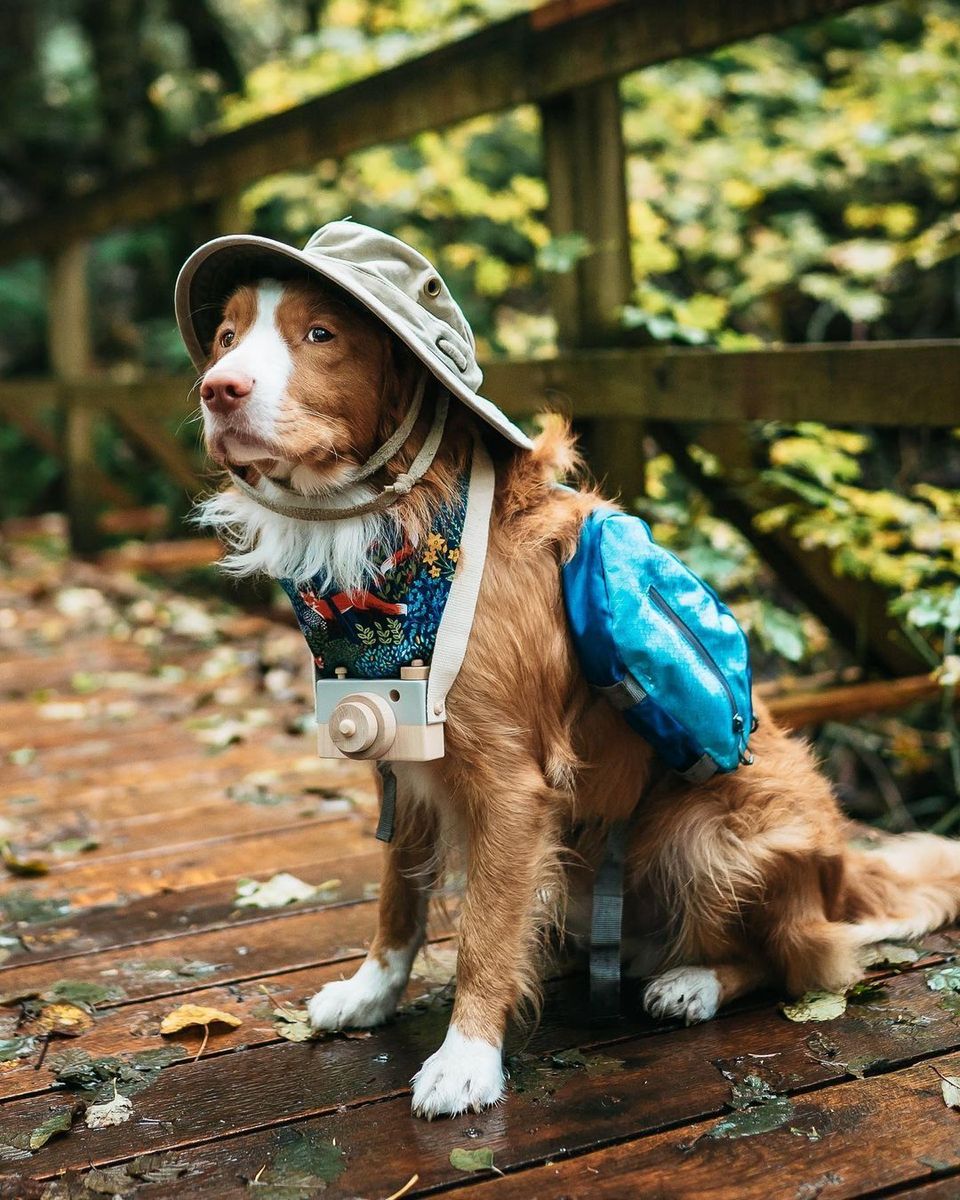
The Complete Guide to Traveling With Your Pet
Traveling with a pet can turn an ordinary journey into one of your favorite shared memories.
It can also become stressful surprisingly quickly when a carrier does not fit, a hotel has unexpected restrictions, your pet refuses to eat, or an important document is buried somewhere at the bottom of a bag.
The difference is rarely luck.
It is preparation.
Whether you are planning a short weekend drive, your pet’s first overnight stay, or a longer adventure away from home, this guide will help you prepare for the journey from beginning to end—without turning pet travel into an exhausting list of things to fear.
The goal is simple:
Help your pet feel safe, help yourself stay organized, and leave enough flexibility to enjoy the road together.
The Paw Roam philosophy: A successful trip is not measured by distance. It is measured by how safe, comfortable, and connected everyone feels along the way.
Pet Travel at a Glance
Before leaving home, make sure you have considered five essential areas:
-
Health and readiness: Is your pet physically and emotionally prepared for the journey?
-
Transportation: How will your pet be safely secured while traveling?
-
Accommodation: Does your destination genuinely meet your pet’s needs?
-
Packing: Do you have the essentials without carrying unnecessary clutter?
-
Routine and recovery: How will you maintain familiar habits during and after the trip?
Planning these areas in advance prevents most common travel problems and gives you more space to respond calmly when something unexpected happens.
1. Decide Whether the Trip Is Right for Your Pet
Not every pet enjoys travel, and not every journey needs to include them.
Some dogs become excited when they see the car. Others become anxious before the engine starts. Some cats gradually learn to rest inside a carrier, while others remain highly stressed in unfamiliar environments.
Before planning the itinerary, consider the animal in front of you.
Ask yourself:
-
Does my pet usually recover quickly after new experiences?
-
Can they rest, eat, drink, and use the bathroom away from home?
-
Are they comfortable around unfamiliar people, animals, sounds, or places?
-
Can I adapt the trip to their pace?
-
Would they genuinely be more comfortable traveling with me than staying with a trusted caregiver?
Leaving a pet at home is not a failure. In some situations, it is the more thoughtful choice.
Travel should expand your life together—not place your pet under pressure simply because the destination allows animals.
Start With a Small Test
Before committing to a long trip, create a smaller version of the experience.
This might include:
-
Sitting inside the parked car for several minutes.
-
Taking a short drive around the neighborhood.
-
Visiting a quiet park.
-
Spending one night somewhere close to home.
-
Practicing with the carrier, harness, crate, or car restraint.
A successful test trip gives you useful information about your pet’s behavior and reveals practical problems while you are still close to home.
2. Check Your Pet’s Health Before Departure
For longer trips, cross-border travel, air travel, or journeys involving demanding outdoor activity, speak with your veterinarian early in the planning process.
Depending on the destination and mode of transport, you may need to discuss:
-
Vaccination records.
-
Health certificates.
-
Identification and microchip information.
-
Prescription medication.
-
Parasite prevention.
-
Motion sickness or travel anxiety.
-
Existing medical conditions.
-
Heat, altitude, or activity tolerance.
-
Emergency care while away.
Do not wait until the day before departure to investigate documentation. Some certificates, tests, vaccinations, or import requirements may need to be completed within a specific time window.
Prepare a Simple Medical Summary
Keep a concise record that includes:
-
Your pet’s name, age, breed, and weight.
-
Current medications and dosage instructions.
-
Allergies or known medical conditions.
-
Vaccination information.
-
Your regular veterinary clinic.
-
Emergency contact details.
-
Microchip number, when applicable.
Store a digital copy on your phone and carry a printed copy in an easy-to-reach part of your travel bag.
Important: General travel guidance cannot replace advice from your veterinarian. Seek professional guidance when your pet has a medical condition, shows unusual symptoms, or has difficulty coping with travel.
3. Update Identification and Contact Information
New places create new risks.
Even a pet that is usually calm may become frightened by a door closing, a sudden sound, an unfamiliar animal, or a change in routine.
Before departure:
-
Check that your pet’s identification tag is readable.
-
Confirm that the phone number on the tag is current.
-
Update microchip registration information when needed.
-
Save recent, clear photographs of your pet.
-
Carry a backup leash or secure restraint.
-
Consider adding temporary destination details to your travel documents.
Do not rely only on a name tag. Tags can become damaged or detached, which is why layered identification is safer than a single method.
4. Choose the Safest Travel Setup
A pet should not move freely around a vehicle, sit unrestrained near an open door, or be held in someone’s arms for the entire journey.
The correct setup depends on your pet’s size, species, behavior, comfort level, and the type of transport.
Common options include:
| Travel setup | Usually suited to | Main consideration |
|---|---|---|
| Secured carrier | Cats, small dogs, nervous pets | Must be stable, ventilated, and appropriately sized |
| Travel crate | Medium or large dogs, longer journeys | Requires sufficient vehicle space and secure anchoring |
| Crash-tested restraint or harness | Dogs comfortable in the car | Must fit correctly and connect as instructed |
| Pet car seat | Some small dogs | Should provide restraint, not only elevation |
| Cargo-area barrier | Certain larger dogs | Should not replace appropriate restraint where restraint is needed |
A soft bed or open basket may look comfortable but does not automatically provide protection during sudden stops.
Test the Equipment at Home
Do not introduce essential travel equipment on departure morning.
Allow your pet to explore the carrier, crate, harness, or car seat in a calm environment. Add familiar bedding, reward relaxed behavior, and gradually increase the length of each practice session.
The equipment should become a predictable resting place—not a signal that something stressful is about to happen.
The Roam Rule
Secure first. Settle second. Start moving third.
Before the journey begins:
-
Secure the carrier, crate, or restraint.
-
Make sure your pet is positioned comfortably.
-
Check doors, clips, straps, ventilation, and temperature.
-
Only then begin driving.
5. Build a Pet-Friendly Itinerary
A human itinerary often focuses on distance, attractions, and arrival time.
A pet-friendly itinerary must also consider:
-
Bathroom breaks.
-
Drinking opportunities.
-
Rest and sleep.
-
Feeding schedule.
-
Temperature.
-
Exercise.
-
Quiet time.
-
Access to safe outdoor areas.
-
Emergency veterinary services.
-
The amount of stimulation your pet can comfortably handle.
Avoid planning every hour of the day.
Pets need time to settle into a new environment. A full schedule of restaurants, trails, shops, beaches, and sightseeing may be exciting for you but exhausting for them.
A better approach is to identify:
-
One essential activity.
-
One optional activity.
-
One protected rest period each day.
This creates structure without making the trip fragile.
6. Research the Route, Not Just the Destination
The journey between home and your destination matters just as much as the final location.
Before leaving, look for:
-
Safe places to stop.
-
Pet-accessible rest areas.
-
Fuel or charging points.
-
Shaded walking areas.
-
Food and water stops.
-
Veterinary clinics along the route.
-
Roads with long stretches and limited services.
-
Seasonal weather or traffic conditions.
Download essential information before traveling through areas with unreliable mobile coverage.
Keep the address and phone number of at least one veterinary clinic near your destination. For longer road trips, save several clinics along the route as well.
7. Confirm That Accommodation Is Truly Pet-Friendly
The phrase “pet-friendly” can mean very different things.
One property may welcome pets throughout the building. Another may allow only one dog below a certain weight, charge an additional fee, restrict particular breeds, or prohibit pets from being left alone in the room.
Before booking, confirm:
-
Which species are accepted.
-
Number of pets allowed.
-
Weight or size limits.
-
Breed restrictions.
-
Additional fees or deposits.
-
Areas where pets are prohibited.
-
Whether pets may remain unattended.
-
Availability of outdoor relief areas.
-
Cleaning or damage policies.
-
Required vaccination records.
Ask for important policies in writing when possible.
Look Beyond Permission
A place can allow pets without being practical for them.
Consider whether the property has:
-
Safe walking access.
-
Quiet sleeping conditions.
-
Secure doors and windows.
-
Enough floor space for a carrier or bed.
-
Easy-to-clean surfaces.
-
Elevators or stairs your pet can manage.
-
Nearby green space.
-
Temperature control.
-
A reasonable distance from emergency care.
The best accommodation is not simply the place that says yes. It is the place where your pet can realistically rest.
8. Pack by Need, Not by Product
Pet travel bags become cluttered when people pack individual items without thinking about the situations in which they will be used.
A more useful method is to pack by need.
Food and Water
Bring:
-
Enough familiar food for the trip.
-
A small reserve for delays.
-
Portable bowls or a travel water bottle.
-
Drinking water when local water quality is uncertain.
-
Treats your pet already knows.
-
Food storage bags or containers.
-
A spoon, scoop, or measuring cup when needed.
Avoid introducing a new diet during travel unless your veterinarian has advised it.
Safety and Control
Bring:
-
Collar or harness.
-
Primary leash.
-
Backup leash.
-
Carrier, crate, or vehicle restraint.
-
Identification tags.
-
Waste bags or litter supplies.
-
Towel or cleaning cloth.
-
Light or reflective equipment for low visibility.
Comfort and Routine
Bring familiar items such as:
-
Bed or blanket.
-
Favorite toy.
-
Crate mat.
-
Familiar-smelling cloth.
-
Grooming supplies.
-
Calming aids already tested safely at home.
Familiar scent can help a new environment feel less confusing.
Health and Documents
Bring:
-
Medication.
-
Medical summary.
-
Vaccination records.
-
Health certificate when required.
-
First-aid supplies.
-
Veterinarian contact information.
-
Microchip details.
-
Recent photographs.
Cleaning and Organization
Bring:
-
Paper towels or reusable cloths.
-
Pet-safe cleaning supplies.
-
Sealable waste bags.
-
Seat or cargo cover.
-
Laundry bag for dirty items.
-
Waterproof pouch for documents.
-
Separate pouch for medication.
A well-organized bag prevents you from unpacking everything when you need one small item quickly.
9. Keep the Packing List Proportional to the Trip
A short afternoon trip does not need the same supplies as a week-long journey.
Use the destination, duration, weather, transportation method, and your pet’s needs to decide what belongs in the bag.
| Type of journey | Main packing priority |
|---|---|
| Short local outing | Water, leash, waste supplies, identification |
| Day trip | Food, water, restraint, cleaning supplies, rest mat |
| Overnight stay | Familiar bedding, full meals, documents, medication |
| Long road trip | Backup supplies, route planning, organized storage |
| Outdoor adventure | Weather protection, visibility, hydration, first aid |
| Cross-border trip | Official documents, entry rules, transport compliance |
Bring enough to solve likely problems, but avoid filling the vehicle with items you have never tested or may not use.
For a printable, category-by-category checklist, link this section to:
The Essential Pet Travel Packing List →
10. Maintain Familiar Routines
Travel introduces unfamiliar sounds, smells, surfaces, and people.
Routine gives your pet something predictable to hold onto.
Try to keep these habits reasonably consistent:
-
Meal times.
-
Bathroom schedule.
-
Walking routine.
-
Sleep location.
-
Medication timing.
-
Verbal cues.
-
Rules and boundaries.
You do not need to reproduce home perfectly. The goal is to preserve enough familiarity that your pet can understand what is happening.
Feeding Before Travel
Some pets travel comfortably after a normal meal, while others experience nausea or discomfort.
Because needs vary, ask your veterinarian about feeding timing when your pet has a history of motion sickness, digestive sensitivity, or medical issues.
Always provide appropriate access to water, but manage drinking in a way that suits the length of the journey and the availability of stops.
11. Schedule Breaks Before They Become Urgent
Do not wait for your pet to become visibly distressed before stopping.
Regular breaks give dogs an opportunity to move, drink, relieve themselves, and reset. Cats may not need to leave their carrier during roadside stops, and opening a carrier in an unsecured area can create a serious escape risk.
During stops:
-
Park in a safe location.
-
Check traffic and surroundings before opening doors.
-
Secure the leash before the pet exits.
-
Offer water.
-
Observe breathing, posture, and behavior.
-
Check the carrier, harness, and restraint.
-
Never leave your pet unattended in a parked vehicle.
Break frequency depends on age, health, species, weather, trip length, and the individual animal. Puppies, senior pets, and animals with medical needs may require a different schedule from healthy adults.
12. Watch for Signs of Stress
Pets may communicate discomfort subtly.
Possible signs of travel stress include:
-
Persistent panting unrelated to heat or exercise.
-
Repeated vocalization.
-
Trembling.
-
Excessive drooling.
-
Restlessness.
-
Hiding or freezing.
-
Refusing food or water.
-
Repeated attempts to escape.
-
Vomiting or diarrhea.
-
Unusual aggression or withdrawal.
-
Inability to settle after arrival.
One sign does not always mean there is an emergency, but changes should not be ignored.
Reduce stimulation, offer a quiet environment, check the temperature, and reassess the plan. Contact a veterinarian when symptoms are severe, persistent, unusual, or accompanied by other concerning signs.
Never give human medication or an unapproved calming product to a pet. Use medication only under veterinary guidance.
13. Protect Your Pet From Temperature Extremes
Vehicles, pavement, tents, beaches, and open outdoor spaces can become uncomfortable or dangerous faster than expected.
When traveling in warm conditions:
-
Avoid leaving pets in parked vehicles.
-
Plan activities during cooler periods.
-
Provide shade and water.
-
Check walking surfaces before allowing prolonged contact.
-
Reduce activity when your pet appears tired.
-
Be especially cautious with young, senior, flat-faced, overweight, thick-coated, or medically vulnerable pets.
When traveling in cold or wet conditions:
-
Keep bedding dry.
-
Bring appropriate protection when your pet needs it.
-
Watch for shivering, weakness, or reluctance to move.
-
Dry wet fur and paws.
-
Avoid prolonged exposure.
Weather should shape the itinerary. It should not be treated as a small inconvenience to overcome.
14. Arrive Slowly
Reaching the destination does not mean your pet is immediately ready to explore.
Give them time to understand the new space.
A calm arrival routine may include:
-
Checking the room or campsite for hazards.
-
Closing doors, windows, gates, or balcony access.
-
Setting up the carrier, bed, water, and familiar blanket.
-
Allowing your pet to explore gradually.
-
Taking a short bathroom or walking break.
-
Providing quiet time before introducing new activities.
Avoid surrounding your pet with people the moment you arrive.
For many animals, the best first activity is no activity at all.
15. Pet-Proof the New Environment
A hotel room, rental home, cabin, or campsite may contain risks that are not present at home.
Check for:
-
Open balconies.
-
Loose screens.
-
Cleaning products.
-
Electrical cords.
-
Food or medication left within reach.
-
Small objects.
-
Unsecured bins.
-
Toxic plants.
-
Gaps beneath fences.
-
Doors that open directly to traffic.
-
Sharp camping equipment.
-
Wildlife or unfamiliar animals.
Learn the exit route and decide where your pet will stay when people enter or leave.
A few minutes of inspection can prevent hours of panic.
16. Respect Other Travelers, Hosts, and Animals
Responsible pet travel protects access for everyone.
Follow local rules, use a leash where required, collect waste promptly, manage barking or disruption, and do not allow your pet to approach unfamiliar people or animals without permission.
“Friendly” is not the same as welcome.
Other pets may be fearful, reactive, recovering from illness, training, working, or simply uninterested in contact.
Good travel manners help destinations remain genuinely welcoming to future pet travelers.
17. Prepare for Problems Without Expecting Them
A backup plan is not pessimism. It is freedom.
Before departure, consider what you would do if:
-
Your pet becomes ill.
-
The accommodation cancels.
-
Your vehicle breaks down.
-
The weather changes.
-
The carrier or restraint becomes damaged.
-
Your pet refuses food.
-
You need to return home early.
-
Your itinerary becomes too demanding.
Keep emergency funds available and avoid booking every part of the trip in a way that cannot be adjusted.
The strongest plans have room to change.
18. Create a Calm Return Home
Travel does not end when the vehicle reaches the driveway.
After returning:
-
Offer water and a quiet place to rest.
-
Resume familiar routines.
-
Clean and inspect travel equipment.
-
Refill medication and first-aid supplies.
-
Wash bowls, bedding, and carriers.
-
Check your pet for irritation, minor injuries, ticks, or other concerns after outdoor activity.
-
Observe appetite, energy, bathroom habits, and behavior.
Some pets need time to recover from the stimulation of a journey.
Contact your veterinarian when you notice persistent or concerning changes.
19. Review the Trip Before Planning the Next One
Every journey teaches you something.
Write down:
-
What helped your pet settle.
-
Which products were genuinely useful.
-
What you packed but never used.
-
Which part of the route was difficult.
-
Whether break timing worked.
-
How your pet behaved at the accommodation.
-
What you would change next time.
This turns experience into a repeatable system.
The next trip becomes easier not because your pet suddenly becomes a perfect traveler, but because you understand each other better.
The Complete Pre-Departure Check
Before leaving, confirm the following:
Health
-
Your pet appears healthy enough to travel.
-
Required veterinary appointments are complete.
-
Medication is packed and clearly labeled.
-
Health and vaccination documents are available.
Identification
-
Collar or harness fits correctly.
-
Identification tag is readable.
-
Contact details are current.
-
Microchip information is updated when applicable.
-
Recent photographs are saved.
Transportation
-
Carrier, crate, car seat, or restraint has been tested.
-
Equipment is secured according to its instructions.
-
Ventilation and temperature are comfortable.
-
Leash is attached before doors are opened.
Accommodation
-
Pet policy has been confirmed.
-
Fees and restrictions are understood.
-
Outdoor relief options are available.
-
Emergency veterinary care has been researched.
Supplies
-
Food and familiar treats are packed.
-
Water and travel bowls are accessible.
-
Waste or litter supplies are ready.
-
Bedding and comfort items are included.
-
Cleaning supplies are easy to reach.
-
First-aid essentials are organized.
Journey
-
Route and planned stops have been reviewed.
-
Weather has been considered.
-
Important information is available offline.
-
The schedule includes rest time.
-
A backup plan is in place.
Frequently Asked Questions
How early should I begin preparing my pet for travel?
Begin as early as practical, especially when your pet is unfamiliar with carriers, vehicles, overnight stays, or restraint equipment. Short, calm practice sessions are usually more useful than introducing everything immediately before departure.
Is it better to use a carrier, crate, harness, or pet car seat?
The most appropriate option depends on your pet’s species, size, behavior, comfort, the vehicle, and the product’s intended use. Choose equipment designed to restrain the pet securely and follow the manufacturer’s fitting and installation instructions.
Can I leave my pet alone in a hotel room?
Policies vary by property, and some accommodations prohibit unattended pets. Even where it is allowed, consider whether your pet can remain calm and safe in an unfamiliar room. Use a secure setup and provide contact information when required.
How can I help an anxious pet travel more calmly?
Begin with gradual exposure, use familiar bedding and routines, reduce unnecessary stimulation, and avoid rushing. Speak with your veterinarian when anxiety is severe or when you are considering medication or calming products.
What should I do when my pet does not enjoy travel?
Reduce the length and complexity of the experience. Return to short practice sessions and observe which part of the journey creates stress. Some pets may become more comfortable over time, while others may be happier remaining with a trusted caregiver.
What is the most commonly forgotten pet travel item?
Identification, medication, waste supplies, water, and destination-specific documents are easy to overlook. A reusable checklist stored with your travel bag can help prevent last-minute mistakes.
One Thoughtful Journey at a Time
Traveling with a pet does not require a perfect itinerary, the largest collection of gear, or a companion who immediately loves every new experience.
It requires attention.
Attention to how your pet responds. Attention to the details that keep them secure. Attention to the difference between healthy excitement and overwhelming stress.
Prepare carefully, begin at a manageable scale, and allow the journey to move at the pace of the animal beside you.
The road will always contain a few surprises.
But with the right preparation, those surprises are less likely to become problems—and more likely to become part of the story you remember together.
Prepare for the Road Ahead
Explore practical travel essentials selected to help pet parents stay organized, support safer movement, and create a more comfortable journey for dogs and cats.
Explore Pet Travel Essentials →
You have items in your cart. Ready for the next leg of the journey?
Go to checkout